Prompt Patterns
27 durable design moves for getting better results from ChatGPT, Claude, Gemini, and every other LLM. Stop guessing with prompts — name what works, reuse it, and compose.
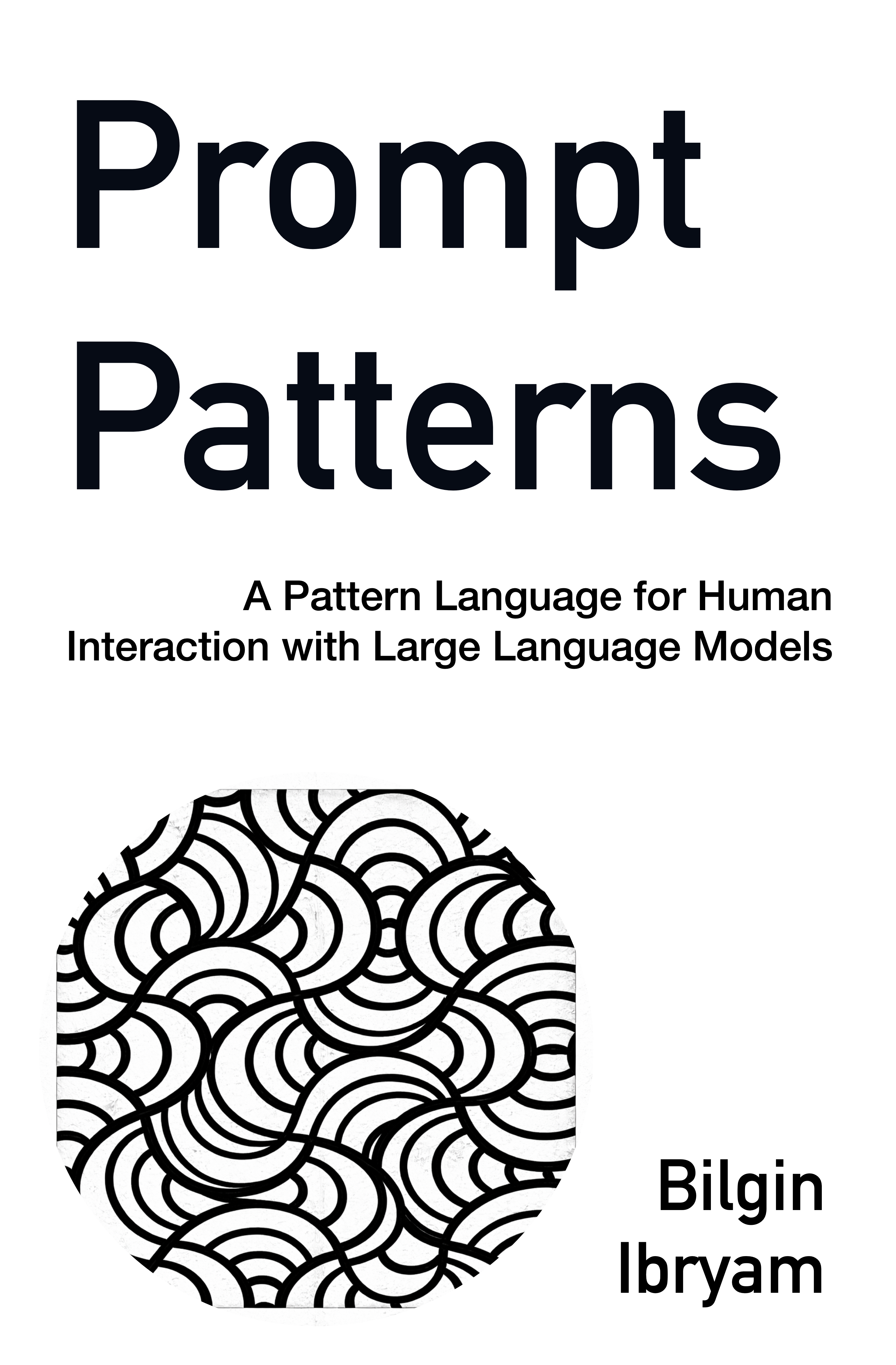
Also available as a book
The site is the free catalog. The book is the teaching material.
Mechanism, 2–4 worked examples per technique, placement rules, debugging sequences, composition recipes — roughly 5× the depth of this site. Pay-what-you-want on Leanpub.
Start with these three
If you only pick up a few patterns this week, start here. Each one works at a different level of the prompt — who the model is speaking as, how it reasons its way to an answer, and who leads the conversation.
Perspective Framing
Sets the communicative perspective (role, audience, or situation) the model should adopt for interpreting, prioritizing, and expressing information.
Stepwise Decomposition
Breaks down a problem into ordered intermediate steps that can be solved before the final answer, to expose reasoning and prevent premature conclusions.
Control Reversal
Transfers control of the conversation to the model, so it leads before committing to a response.
The full catalog — 27 patterns, 6 categories
Patterns are grouped by the design lever they control — the task, the context, the reasoning, the validation, the output, or the interaction itself.
What is a prompt pattern?
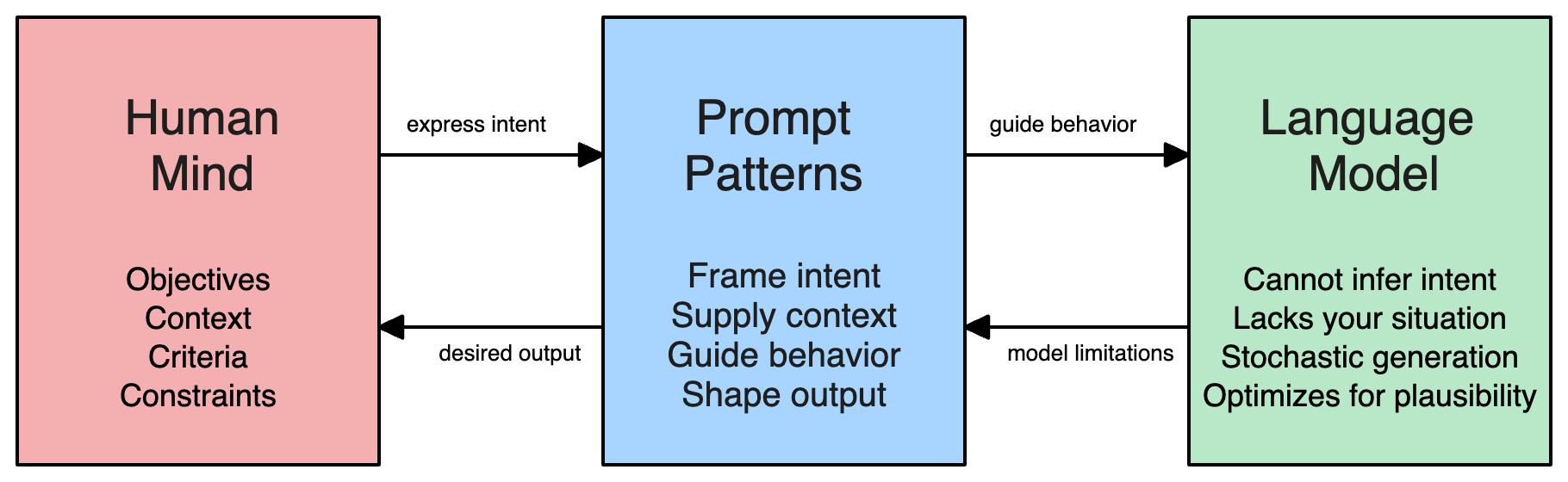
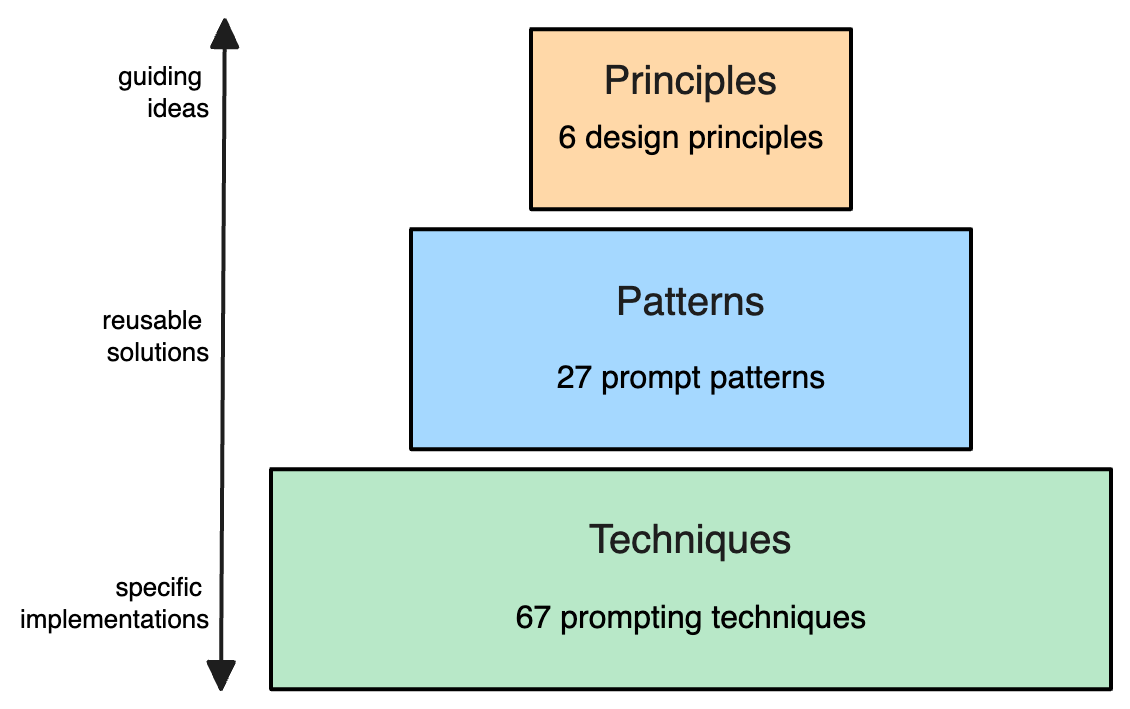
A prompt pattern is a deliberate design move at the prompt level — not a magic phrase, not a framework, not a model-specific trick. Patterns sit between high-level principles and short-lived techniques: explainable, composable, and stable enough to use across tasks, teams, and model changes.
Who this is for
Knowledge workers and builders who use LLMs in real work. If you write prompts in ChatGPT or Claude to analyze information, draft artifacts, or make decisions — or you are building with Claude Code or the API — the patterns are for you. The goal is not to collect tricks; it is to give you a diagnostic map for when output is wrong and a shared vocabulary for discussing prompt design with others.
Site and book by Bilgin Ibryam, co-author of Kubernetes Patterns and author of Camel Design Patterns. The website is the free public catalog. The book has the full treatment: mechanism, multiple worked examples per technique, trade-offs, placement, debugging, and composition.