Multi-Path Reasoning
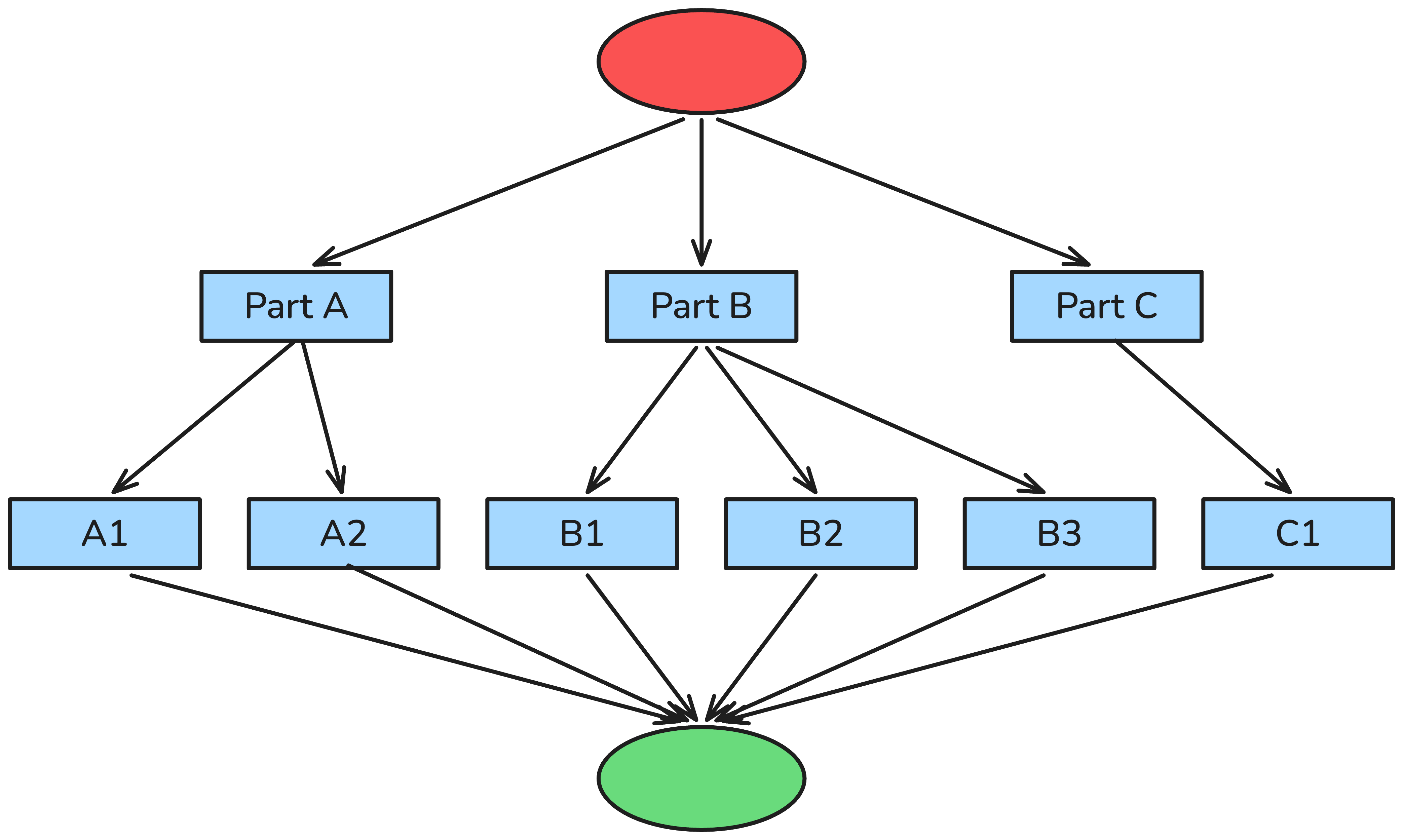
Evaluates multiple independent reasoning paths and delays commitment until they can be compared and the best one identified.
Problem
A single reasoning trajectory is brittle: subtle path errors can produce wrong answers with no signal of uncertainty.
Solution
Generate multiple independent reasoning paths and aggregate/choose after comparison (vote or evaluator selection). Convergence across paths amplifies robust answers and suppresses idiosyncratic errors.
Example
One worked example. The book has 2–4 per technique.
Classify this support issue as URGENT, NORMAL, or LOW PRIORITY.
Explain briefly.
End with: Classification: [label]

Issue: "One of our enterprise customers reported that their weekly analytics export did not run on schedule last night. No error was logged. The customer says they need the data for a board meeting tomorrow and they are in the middle of contract renewal."
Run 1: Classification: URGENT
Run 2: Classification: NORMAL
Run 3: Classification: URGENT
Run 4: Classification: URGENT
Run 5: Classification: URGENT

Selected answer (majority vote): URGENT
Techniques
Concrete ways to implement Multi-Path Reasoning. Each technique fits a different situation.
- 01
Majority Voting
Run the prompt multiple times with non-greedy sampling and select the most frequent discrete answer for labels, numbers, or categories.
- 02
Self-Selection
Generate multiple free-form candidates, then ask the model to evaluate which is most accurate, complete, or internally consistent.
Full treatment in the book
Multi-Path Reasoning — the complete chapter
- ▸ Mechanism — why this pattern works
- ▸ 2–4 worked examples per technique
- ▸ Placement, sequencing, and debugging rules
- ▸ Composition with related patterns